Fyi for anyone (in the US at least) wanting to get a Rosetta stone set, but balking at the price; Target has them half off on the website, which they’ll match in store (at customer service), and has a 50% off ‘coupon’ in the cartwheel app that stacks, so it’s essentially 75% off right now for in store stock. (So a little over a hundred for a full set).
fun fact: the reason that the plural of goose is geese but the plural of moose is not meese is because goose derives from an ancient germanic word undergoing strong declension, in the pattern of foot/feet and tooth/teeth, wherein oo is mutated to ee. however ‘moose’ is a native american word added to the english lexicon only ~400 years ago, and lacks the etymological reason to be pluralized in that way.
Ever wondered what they called anal sex in the 16th century, or cunnilingus during World War II?
Ever wonder what sex was called in the 1600s, how you might ask for a blowjob during the reign of Queen Elizabeth, or how your great-grandfather might have asked for anal sex?
Following up on his research which gave us 2,600 words for genitalia throughout the ages, slang lexicographer Jonathon Green has given us three amazing new resources, describing what sexual intercourse, oral and anal, and sexual secretions and contraceptives have been called at various points over the last 700 years.
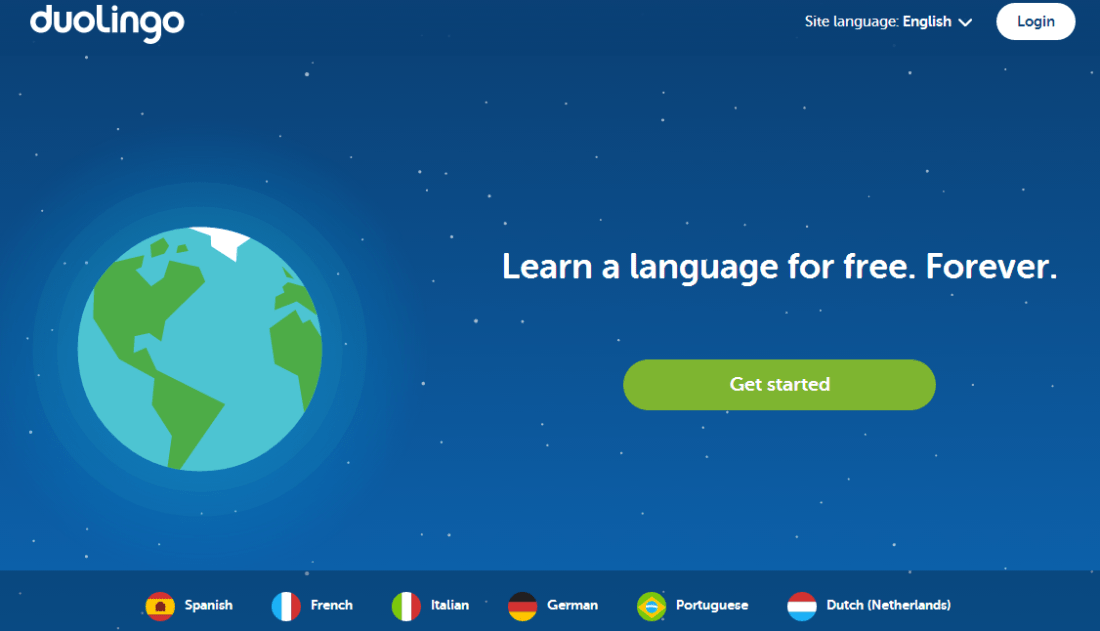
This is Duolingo, a language-learning website/app that deserves some serious recognition. It offers over 10 languages for English speakers, as well as courses for non-English speakers around the world, and they’re in the process of adding more.
But wait, I don’t want to do any more schoolwork! Not to worry little one, Duolingo is actually more like a game. You can compete with friends, and earn “lingots” (which are basically Duolingo money) to buy power-ups, extra activities, and bonus skills – like Flirting.
I’m already taking a language, what do I need this for?
It’s not really a secret that most school language courses (in America, anyway) suck and only teach you to speak the language at about a third grader’s level. Which is why Duolingo is so freaking awesome.
Teachers can’t give every student individualized attention, but Duolingo can. If you’re not learning the way you want to or as much as you want to in the classroom, Duolingo is a really great resource. It’s easy, tailored to you, and really effective.
Duolingo tracks your progress and reminds you when you haven’t studied for a while or need a refresher on something. Already semi-fluent in a language? No problem, just take a shortcut to more advanced subjects or test out of the lesson.
The lessons start with the basics (he, she, hello, thank you, etc) and move up to harder stuff. Duolingo focuses on vocabulary first, so you can learn the language and then the grammar that goes with it – much simpler than the system most schools use. It also tracks the number of words you’ve learned and how well you know them.
And you don’t even have to write out the flashcards!
Duolingo is perfect for reviewing everything you forgot over the summer or giving you the extra help you need. And if you’re trying to learn a language on your own, it’s fantastic – you don’t have to create your own lessons. Whether you’re trying to learn your second, third, or fifth language, I seriously recommend Duolingo.
Okay, what else?
Duolingo also has discussion boards, where you can ask for help with a hard lesson, make new friends, watch for updates, and share your achievements.
Even better is the Immersion feature. It won’t send you to Spain or France, but it’s pretty awesome. Duolingo takes real articles from the internet, which users translate. You can translate articles from your native language into the language you’re learning or vice versa, which gives you more experience and makes the Internet more universal.
You can suggest new languages and track Duolingo’s progress in creating new courses. Bilinguals (older than 13) can help to create these courses. Duolingo has a long list of courses that can be contributed to, like Punjabi, Hebrew, and Vietnamese. Oh, and Dothraki, Klingon, Sindarin, and Esperanto.
And the best part? IT’S COMPLETELY FREE.
If you love languages or just want to pass French class this year, USE DUOLINGO. Download the app and practice a language while you wait for the bus instead of playing Angry Birds!
Coolest app I’ve ever downloaded.
My dad uses this, and he loves it! He’s been multilingual for a long time (Spanish, Portuguese, Italian) and he says it’s taught him things that even he didn’t know. I might be using it for my german soon too, ‘cus I’m definitely rusty on that. Harumph
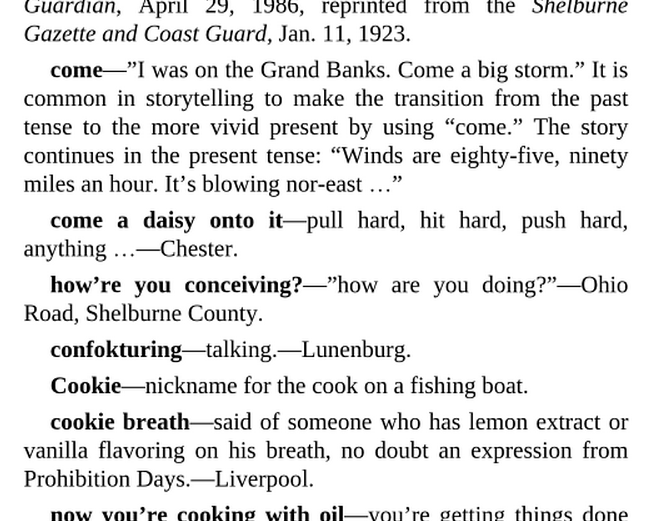
First published in the 1980s, it has a lot of gems in it. Along the south shore of Nova Scotia, you’ll find a lot of New England-y holdovers and the like, or German words around Lunenburg, or etc.
I do know (as to the selection above) that when there was no booze around, people drank vanilla flavour bottles from the grocery, which was easier to get. Also, old ladies drank (some still do, according to a friend) vanilla so as not to appear buying something so crude as liquor. Old ladies! Beer ain’t so bad.
I will add some only tangentially-related stuff to this! During Prohibition it’s true that some people turned to cooking extracts. Unfortunately, many of these contained ethanol. In order to prevent Jamaica ginger extract—which was often produced and distributed as a ‘patent medicine’—from being sought out for recreational use the US government required an elevated solids content; this would result in a bitter, unpalatable beverage.
Of course, folks drank ‘jake’ (as it was called) anyway. This caused paralysis, loss of limbs, and death in many cases, disproportionately in immigrants and the lower class. This was the inspiration for such songs as Jake Leg Blues, Jake Walk Blues, and Jake Liquor Blues. (Audio recordings in links.)
So you know what I don’t get? Why people repeat words. (x)
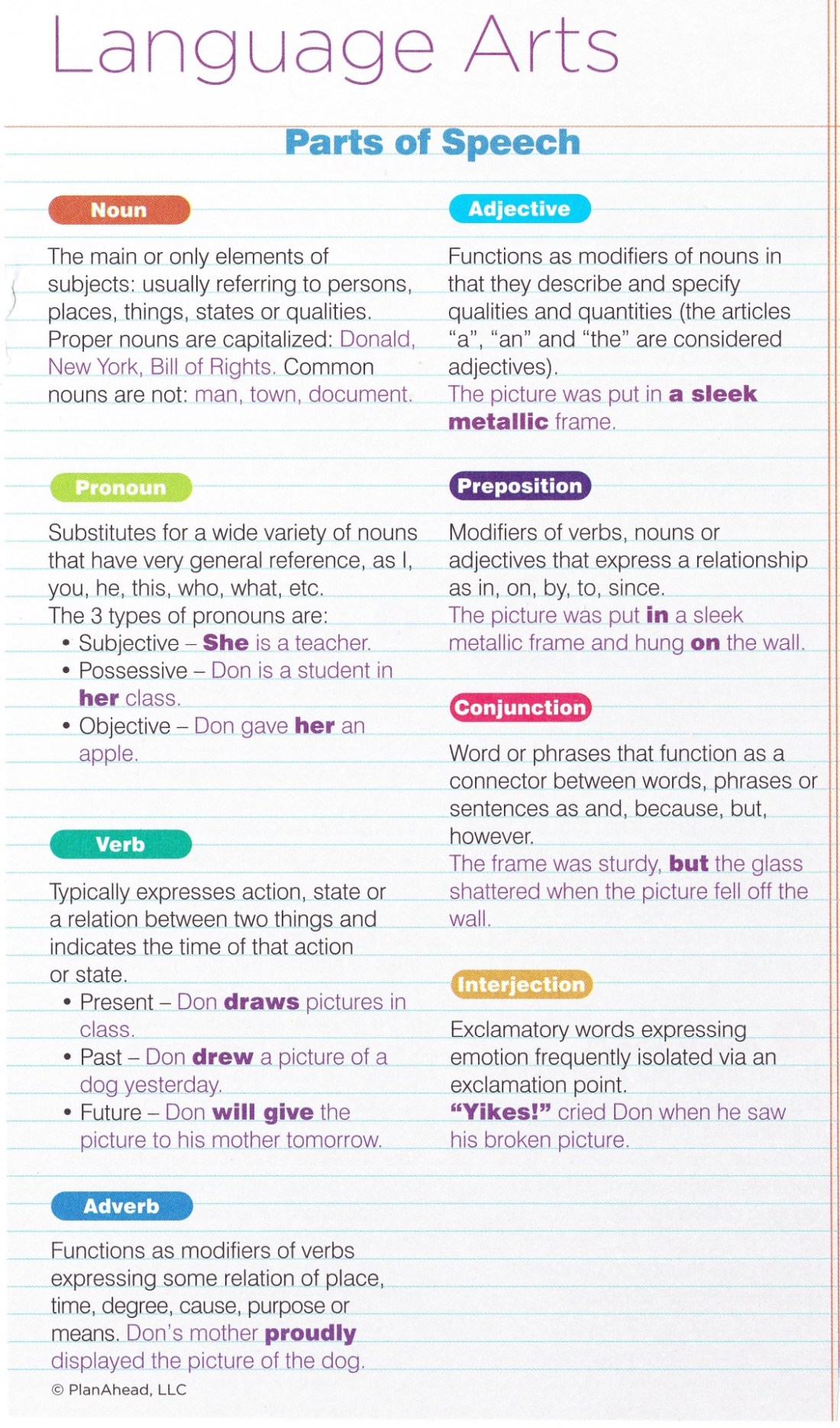
Grammar time: it’s called “contrastive reduplication,” and it’s a form of intensification that is relatively common. Finnish does a very similar thing, and others use near-reduplication (rhyme-based) to intensify, like Hungarian (pici ‘tiny’, ici-pici ‘very tiny’).
Even the typologically-distant group of Bantu languages utilize reduplication in a strikingly similar fashion with nouns: Kinande oku-gulu ‘leg’, oku-gulu-gulu ‘a REAL leg’ (Downing 2001, includes more with verbal reduplication as well).
I suppose the difficult aspect of English reduplication is not through this particular type, but the fact that it utilizes many other types of reduplication: baby talk (choo-choo, no-no), rhyming (teeny-weeny, super-duper), and the ever-famous “shm” reduplication: fancy-schmancy (a way of denying the claim that something is fancy).
screams my professor was trying to find an example of reduplication so the next class he came back and said “I FOUND REDUPLICATION IN ENGLISH” and then he said “Milk milk” and everyone was just “what?” and he said “you know when you go to a coffee shop and they ask if you want soy milk and you say ‘no i want milk milk’” and everyone just had this collective sigh of understanding.
Another name for this particular construction is contrastive focus reduplication, and there’s a famous linguistics paper about it which is commonly known as the Salad Salad Paper. You know, because if you want to make it clear that you’re not talking about pasta salad or potato salad, you might call it “salad salad”. The repetition indicates that you’re intending the most prototypical meaning of the word, like green salad or cow’s milk, even though other things can be considered types of salad or milk.








 Lady Karasu