How to read people’s minds.
Watch Those Pupils
A persons pupils get bigger when they are aroused, interested and/or receptive. If you look into his or her eyes and see those pupils growing large – it’s looking good for you. Basically big pupils (unless it’s just dark) mean a person likes what they see.Try this experiment, and you’ll understand how immediate this effect can be. Go right now and look in the mirror at your own eyes. As you look at them, imagine a sexy man or woman you are attracted to – in whatever way would turn you on. You’ll see that your pupils get bigger in just seconds. Actually, if you love to fish, they may get big just thinking about a lake you love. Anything you like to look at can make your pupils bigger.
Now, there are two ways to use this.
1. Mind Reading
For the mind reading part, you can now watch for changing of pupil size to know if someone is interested in you or what you have to say. And yes, shrinking pupils generally do mean the person is not interested. Just be careful to note if light in the persons eyes is causing the shrinking pupils.In addition to judging the general level of interest and/or receptivity to you, you can use pupil size to go a little
deeper into a person’s mind. For example, during the course of a conversation, you can describe various scenes or delve into different topics, while watching the persons pupils. If their pupils shrank at the mention of skiing, and got huge when you described a beach you like, you can be fairly certain they would like the Bahamas over a ski resort.The great thing about this little trick is that you can easily test it and refine your technique. Start with a friend whose interests you know already, and watch their pupils as you describe various places or even ideas. See if getting them to visualize, by saying something “Remember how that car of yours looked,” gets a bigger pupil response.
2. Influencing
If you haven’t yet experimented with your own pupils, by watching them in the mirror, go try it now. You’ll find that you can quickly train yourself to change your pupil size at will. Just find a mental image or two that gets them really big, and use these as necessary. Look at a light briefly when you want to shrink your pupils back down. Now, how do you use this?We all use little clues like pupil size as we interact with people. We are affected by people’s expressions and body language even when we haven’t yet learned to identify it. In other words – the person in front of you will unconsciously pick upon your enlarging pupils. They will unconsciously take this to mean that you like them,
and for many people, this will make them like you more.Listen. This is the easiest and most effective way to read minds. Just pay attention, ask a few questions and listen to what they say about themselves.
Watch the Posture. Leaning towards indicates that the person is interested and receptive.
Watch For Hair Play. When women play with their hair while talking to you, it is almost always a sign of receptivity.
Watch the Mouth. A slightly open mouth is a sign of curiosity and interest.
Watch the Head. A tilting head, especially if it comes with a smile and eye contact, is a sign that the person likes you.
Watch the Eyes
Here is what people’s minds are doing when they are thinking or asked to remember something. This is true for most right handed people (reverse all this for left-handed people): As you face them, and their eyes go:
Up and to the right – they are remembering a visual image.
Up and to the left – They are constructing a visual image.
To the right – They are remembering sounds or conversation.
To the left – The are constructing sounds or conversations.
Down and to the right – They are in an internal dialog.
Down and to the left – They are accessing kinesthetic feelings, tastes and smells.How to influence the opposite sex:
Use Mirroring and Matching. Match the speed of your speech to that of the person you’re talking to. Sit like he or she is sitting. Use the words they use. This is a fast way to build rapport. Once there is a “bond” built, you can start to lead the conversation and actions where you want them to go.Compliment Her or Him. Discover what the person is proud of first, then find a genuine way to compliment them in that area.
Listen. Always show a genuine interest in what the person is saying. Ask appropriate questions, so the person knows you’re paying attention. Use their interests to lead into a direction you want to go.
Make Good First Impressions. Men usually form a quick visual impression in less than 20 seconds, and then make another judgment based on appearance and personality within a couple minutes. Women usually place less immediate emphasis on appearance, and form an “intuitive” first impression in a couple minutes. The lesson? Work fast.
By Steve Gillman. Excerpt from “A Book of Secrets”
Tag: possibly useful
A summary of how people die (and don’t) in swordfights
This is a really good article about how quickly people actually die from cuts and punctures inflicted by swords and knives. However, it’s really really long and I figured that since I was summarizing for my own benefit I’d share it for anyone else who is writing fiction that involves hacking and slashing your villain(s) to death. If you want the nitty gritty of the hows and whys of this, you can find it at the original source.
…even in the case of mortal wounds, pain may not reach levels of magnitude sufficient to incapacitate a determined swordsman.
Causes of death from stabs and cuts:
- massive bleeding (exsanguination) – most common
- air in the bloodstream (air embolism)
- suffocation (asphyxia)
- air in the chest cavity (pneumothorax)
- infection
Stabbing vs cutting:
- Stabbing someone actually takes very little force if you don’t hit bone or hard cartilage.
- The most important factor in the ease of stabbing is the velocity of the blade at impact with the skin, followed by the sharpness of the blade.
- Stabbing wounds tend to close after the weapon is withdrawn.
- Stabbing wounds to muscles are not typically very damaging. Damage increases with the width of the blade.
- Cutting wounds are typically deepest at the site of initial impact and get shallower as force is transferred from the initial swing to pushing and pressing.
- Cutting wounds have a huge number of factors that dictate how deep they are and how easily they damage someone: skill, radial velocity, mass of the blade, and the size of the initial impact.
- Cutting wounds along the grain of musculature are not typically very damaging but cutting wounds across the grain can incapacitate.
Arteries vs veins:
- Severed veins have almost zero blood pressure and sometimes even negative pressure. They do not spurt but major veins can suck air in causing an air embolism.
- Cutting or puncturing a vein is usually not fatal.
- Severed arteries have high blood pressure. The larger arteries do spurt and can often cause death due to exsanguination.
Body parts as targets:
- Severing a jugular vein in the neck causes an air embolism and will make the victim collapse after one or two gasps for air.
- Severing a carotid artery in the neck cuts off the blood supply to the brain but the victim may be conscious for up to thirty seconds.
- Stabbing or cutting the neck also causes the victim to aspirate blood that causes asphyxiation and death.
- Severing a major abdominal artery or vein would cause immediate collapse, but this takes a fairly heavy blade and a significant amount of effort because they are situated near the spine.
- Abdominal wounds that only impact the organs can cause death but they do not immediately incapacitate.
- Severing an artery in the interior of the upper arm causes exsanguination and death but does not immediately incapacitate.
- Severing an artery in the palm side of the forearm causes exsanguination and death but does not immediately incapacitate.
- Severing the femoral artery at a point just above and behind the knee is the best location. Higher up the leg it is too well protected to easily hit. This disables and will eventually kill the victim but does not immediately incapacitate.
- Cutting across the muscles of the forearm can immediately end the opponent’s ability to hold their weapon.
- Cutting across the palm side of the wrist causes immediate loss of ability to hold a weapon.
- Stab wounds to the arm do not significantly impact the ability to wield a weapon or use it.
- Cuts and stab wounds to the front and back of the legs generally do not do enough muscle damage to cause total loss of use of that leg.
- Bone anywhere in the body can bend or otherwise disfigure a blade.
- The brain can be stabbed fairly easily through the eyes, the temples, and the sinuses.
- Stabs to the brain are more often not incapacitating.
The lungs as targets:
- Slicing into the lung stops that lung from functioning, but the other lung continues to function normally. This also requires either luck to get between the ribs or a great deal of force to penetrate the ribs.
- Stabbing the lung stops that lung from functioning, but the other lung continues to function normally. It is significantly easier to stab between ribs than to slice.
- It is possible to stab the victim from the side and pass through both lungs with an adequate length blade. It is very unlikely that this will happen with a slicing hit.
- “Death caused solely by pneumothorax is generally a slow process, occurring as much as several hours after the wound is inflicted.”
- Lung punctures also typically involve the lung filling with blood, but this is a slow process.
The heart as a target:
I’m just going to quote this paragraph outright with a few omissions and formatting changes for clarity because it’s chock-full of good info:
…[stabbing] wounds to the heart the location, depth of penetration, blade width, and the presence or absence of cutting edges are important factors influencing a wounded duelist’s ability to continue a combat.
- Large cuts that transect the heart may be expected to result in swift incapacitation…
- …stab wounds, similar to those that might be inflicted by a thrust with a sword with a narrow, pointed blade may leave a mortally wounded victim capable of surprisingly athletic endeavors.
Essentially, the heart can temporarily seal itself well enough to keep pressure up for a little while if it’s a simple stab. The arteries around the heart, while they are smaller and harder to hit, actually cause incapacitation much more quickly.
PSA for fic writers:
Esp. those who have ever written, considered writing, or are now considering writing an emergency response (firefighter, EMT, etc.) AU
Ambulances are required by law to stock lubricant on board at all times.
oh
99 Life Hacks to make your life easier!
putting this shit under a readmore holy fuck
cool, though I’ve never heard of a bread clip and I don’t quite think British plugs will work as screwdrivers…
• Use the hand you write with.
• Make a fist with your thumb outside, not tucked inside. If it’s tucked inside your fist, when you punch someone, you might break your thumb. The thumb goes across your fingers, not on the side.
• Don’t be like in the movies—don’t aim for the face. Face punches don’t usually stop people, and you can miss when they duck their head or break your hand on their jaw. If you want to get away quickly, or end a fight, aim for the chest, or the ribs. If you really want to do some damage, e.g., you’re being attacked, aim for the throat, which will make it hard for your attacker to breathe for a hot minute.
• When you punch, you want to aim and hit with your first two knuckles. Not the flats of your fingers, and not your ring or pinky knuckles, which can break more easily. You can use your weight, if you’re on your feet, to add wallop, and spring into a punch with your feet and torso.
Useful information, esp. if you haven’t taken self defense.
I reblogged this once before to add this and I’ll do it again…
keep your wrist straight.
You can also risk breaking your wrist if you allow it to bend. I actually can’t believe this isn’t in there.
Other good pointers:
- if your attacker is male, go for his junk – especially if he’s wearing loose pants. There’s no sportsmanship when it comes to assault so fuck them balls UP
- punching pretty much ANYWHERE in the face is going to actually hurt you a LOT (just think – you’re punching your bones into their bones and ow). If you’re going for the face, my suggestion is to strick upwards with your palm.
see that meaty portion highlighted in red? There’s a lot of muscle and fat right there which makes it excellent for striking. Hold your hand as shown and aim for the nose or chin (though I’ve been told in extreme circumstances, doing this to the nose can be fatal but I’ve never really heard if this is true or not) and just aim upwards
- other delicate areas:
- the shin (hurts like a bitch if you kick it right – also, you can hit this spot if you’re being held in a choke-hold and if your attacker has to move in order to stop you from kicking him, he’ll have to angle his body so as to expose his stomach and crotch to the wild spastic jabbings of your elbows)
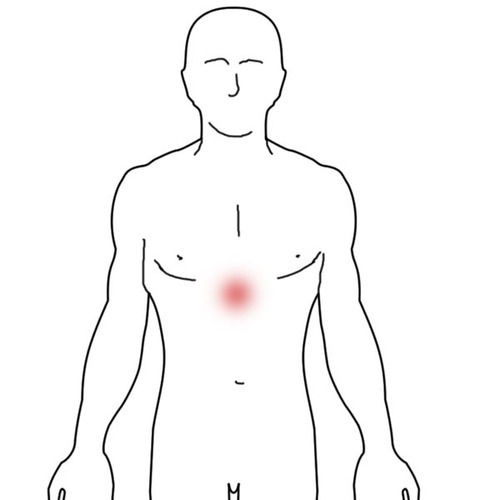
- the solar plexus (either jab while holding your hand in a sort of spear position or use your elbows – unless you’re super strong, your punch probably won’t wind your attacker. Your elbow or a spear hand will, however)
Originally in (most) martial arts, you hit the solar plexus because it supposedly contained an important chakra. Now we know that it actually also contains like a bunch of necessary organs that are exposed just below your ribs and is also (roughly) where your diaphragm lives so getting punched there is not pleasant.
- the clavicle (from experience, getting hit in your clavicle HURTS LIKE A MOTHERFUCKER. If you strike downwards with your knuckles, the person might just cry. Like I did.)
- the ear (this is probably the best place to punch besides the throat. It’s all cartilage so it probably won’t hurt you all that much and most people will be like “DUDE YOU PUNCHED ME IN THE EAR WHAT THE HELL”)
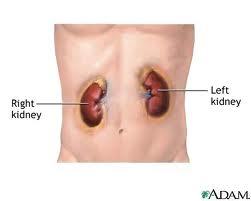
- the kidneys (this is harder to hit without training but if you somehow get your attacker’s back to face you, try to hit’em in the kidneys. Again, from experience, this FUCKING HURTS. You can’t really hit the kidneys from the front with any effect but from the back it is super painful)
- if you’re held in a choke-hold, try turning your head so the forearm isn’t pressed into your throat. If you can position yourself right, you can sort of force your chin into the crook of the elbow, making you able to still receive (limited) oxygen and provide time for you to kick some shins or elbow some spleens and shit
-Also, remember that a guy’s junk is not an off-button. Don’t think that you can rely on a swift kick to the balls to immediately incapacitate him in an emergency. Adrenaline and anger can keep somebody going for a long time even through extreme pain, and if you expect to end a fight with a single groin-attack you might be caught off-guard when he doesn’t drop. Certainly go for it if you get the chance, but keep hitting him until the fight is over.
-Draw blood if you can, especially if you can draw it from the face or the eyes. Blood in the eyes is not just a good way to impair your attacker’s vision, it’s also a really good way to freak them out and let them know that they might be getting more than they bargained for by picking a fight with you.
-Elbows and knees are really powerful weapons. Elbows are very sharp and very strong and if you are in close-range they are often more effective than trying to throw a punch.
-Yelling and shouting makes you scary.



7 Social Hacks For Manipulating People
1. Whenever someone is angry and confrontational, stand next to them instead of in front of them. You won’t appear as so much of a threat, and they eventually calm down.
2. Open with “I need your help.” People don’t like the guilt of not helping someone out. When asking for a favor from someone, begin your request by saying “I need your help.” It greatly increases your chances of getting that favor done.
3. Rephrase what the other person says and repeat it back to them. This makes them think you’re listening and really interested in what they’re saying. It makes them feel validated. Obviously, you don’t want to overdo this.
4. If you want someone to agree with you, nod while you talk. This gets the other person to nod too, and they begin to subconsciously think they agree with you.
5. If someone doesn’t like you, ask to borrow a pencil. It is a small enough favor that they won’t say no, and it gets them to like you more. Check out the Benjamin Franklin effect for more explanation.
6. Fold your arms to determine interest. If someone is observing you, they will likely mimic you. Fold your arms, and see if they do it, too.
7. Repeat a person’s name many times during a conversation. It helps you remember it, and makes them like you more.
did I ever tell you guys I love manipulation
100 Words for Facial Expressions
1. Absent: preoccupied
2. Agonized: as if in pain or tormented
3. Alluring: attractive, in the sense of arousing desire
4. Appealing: attractive, in the sense of encouraging goodwill and/or interest
5. Beatific: see blissful
6. Bilious: ill-natured
7. Black: angry or sad, or see hostile
8. Bleak: see grim and hopeless
9. Blinking: surprise, or lack of concern
10. Blissful: showing a state of happiness or divine contentment
11. Blithe: carefree, lighthearted, or heedlessly indifferent
12. Brooding: see anxious and gloomy
13. Bug eyed: frightened or surprised
14. Chagrined: humiliated or disappointed
15. Cheeky: cocky, insolent
16. Cheerless: sad
17. Choleric: hot-tempered, irate
18. Coy: flirtily playful, or evasive
19. Crestfallen: see despondent
20. Darkly: with depressed or malevolent feelings
21. Deadpan: expressionless, to conceal emotion or heighten humor
22. Dejected: see despondent
23. Derisive: see sardonic
24. Despondent: depressed or discouraged
25. Doleful: sad or afflicted
26. Dour: stern or obstinate; see also despondent
27. Downcast: see despondent
28. Dreamy: distracted by daydreaming or fantasizing
29. Ecstatic: delighted or entranced
30. Etched: see fixed
31. Faint: cowardly, weak, or barely perceptible
32. Fixed: concentrated or immobile
33. Furtive: stealthy
34. Gazing: staring intently
35. Glancing: staring briefly as if curious but evasive
36. Glaring: see hostile
37. Glazed: expressionless due to fatigue or confusion
38. Gloomy: see despondent and sullen
39. Glowering: annoyed or angry
40. Glowing: see radiant
41. Grim: see despondent; also, fatalistic or pessimistic
42. Grave: serious, expressing emotion due to loss or sadness
43. Haunted: frightened, worried, or guilty
44. Hopeless: depressed by a lack of encouragement or optimism
45. Hostile: aggressively angry, intimidating, or resistant
46. Hunted: tense as if worried about pursuit
47. Impassive: see deadpan
48. Inscrutable: mysterious, unreadable
49. Jeering: insulting or mocking
50. Languid: lazy or weak
51. Leering: see meaningful; also, sexually suggestive
52. Meaningful: to convey an implicit connotation or shared secret
53. Mild: easygoing
54. Mischievous: annoyingly or maliciously playful
55. Moody: see sullen
56. Pained: affected with discomfort or pain
57. Pallid: see wan
58. Peering: with curiosity or suspicion
59. Peeved: annoyed
60. Petulant: see cheeky and peeved
61. Pitying: sympathetic
62. Pleading: seeking apology or assistance
63. Pouting: see sullen
64. Quizzical: questioning or confused
65. Radiant: bright, happy
66. Roguish: see mischievous
67. Sanguine: bloodthirsty, confident
68. Sardonic: mocking
69. Scornful: contemptuous or mocking
70. Scowling: displeased or threatening
71. Searching: curious or suspicious
72. Set: see fixed
73. Shamefaced: ashamed or bashful
74. Slack-jawed: dumbfounded or surprised
75. Sly: cunning; see also furtive and mischievous
76. Snarling: surly
77. Sneering: see scornful
78. Somber: see grave
79. Sour: unpleasant
80. Stolid: inexpressive
81. Straight-faced: see deadpan
82. Sulky: see sullen
83. Sullen: resentful
84. Taunting: see jeering
85. Taut: high-strung
86. Tense: see taut
87. Tight: see pained and taut
88. Unblinking: see fixed
89. Vacant: blank or stupid looking
90. Veiled: see inscrutable
91. Wan: pale, sickly; see also faint
92. Wary: cautious or cunning
93. Wide eyed: frightened or surprised
94. Wild eyed: excited, frightened, or stressful
95. Wistful: yearning or sadly thoughtful
96. Withering: devastating; see also wrathful
97. Woeful: full of grief or lamentation
98. Wolfish: see leering and mischievous
99. Wrathful: indignant or vengeful
100. Wry: twisted or crooked to express cleverness or a dark or ironic feeling
Find that Word You Can’t Remember!
Sebastian Moran and guns…
This is in regards to a ‘BBC-Sherlock verse’ imagining of the good Colonel, and is the result of a conversation with husband (which he is certainly regretting, now that I made him type this up) that was sparked after I’d pointed out a post asserting that Moran would like ‘rifles over handguns’ because he was a ‘sniper’.
What weapon would Moran prefer? You would first have to think a bit of his military service, and his local availability. (While being in the underworld does bring forth its advantages to not needing to obey local laws and opens up your choices, it would be safe to say the supply line to a discrete man’s armament would be hampered in the area of quantities.)
Lets start with pistols. Being military, and a probable member of the Royal Marines (these are the ones that train British snipers*) one would assume the usage of a Sig Saur P226 as a comfortable fallback, and a weapon easy to get parts for, adaptable to suppression without any recoil assist devices (Such as an AAC Ti-Rant in Titanium) and easily available supply of ammo, much of which is subsonic, for use with said suppressor. Otherwise, I would think him to look favorably on other euro region pistols, like the HK offerings or something in a Swiss Sphinx.
As for rifles… are we talking close up work, or far encounters? Would he fall back to a L81 variant which makes for an easy CQB carbine, or for a more modern approach of something in an AR15 platform in one of the boutique calibers that would also be suppressed, such as the .300 BLK? Such a rifle as the later is made in a take-down version with integrally suppressed barrels, making for a a quick repeatable setup that can be stowed or deployed from a vantage point or a vehicle.
If we are going long range, most likely a rifle in .338 Lapua. The British and US forces have used these out to spectacular ranges… the round shoots long and flat, well out past 2000 meters. Although I cannot see Moriarty allowing for such impersonal contact on a frequent basis.
Now do we want to get into optics choices?
*I would question his title of sniper, as snipers are trained to work in pairs for modern work. Marksman most definitely.
(There was more to the discussion involving other various background and what might be used where to blend in and such, but this was all I could make him re-do in text 😉
 Lady Karasu