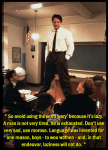
“Oh captain, my captain.”
yesss…
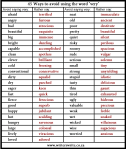
DPS and a list of beautiful words? Oh yes.
Love.
“Oh captain, my captain.”
yesss…
DPS and a list of beautiful words? Oh yes.
Love.
**PULLS ON TEACHER TROUSERS**
So I’d like to clarify once and for all why there is a difference between “come" and “cum.“
I can’t say for sure how it is with other readers, but I suspect most people dislike “cum” because of some sort of aesthetical reason. If that’s your choice for disliking it, whatever man, it’s no skin off my nose.
However, aesthetics really doesn’t come into it. (No pun intended.) (…Well, maybe a little intended.)
The fact is, by definition, they are two astronomically different words used in different parts of speech.
“Cum” is a preposition.
Let’s just let that sink in a moment.
I have here in my hands my Pocket Oxford Dictionary, which defines “cum" as “with, together with.“ For example, as in showing off “a kitchen-cum-laboratory” or “my best mate-cum-lover.“ This is the only definition for “cum.”
“Come,” on the other hand, is a verb, and the dictionary points out that, along with its many other meanings and uses, “have sexual orgasm" is included among the options. It also mentions it can be used to mean “ejaculated semen"—-or a noun. (Thanks Pocket Oxford!)
In short, “cum" is only used as a preposition. I can see why people have instinctively used it otherwise, though—it’s because English is a damn dirty language that’s out to confuse everybody, and most people generally don’t go around saying things like “this is my man cave-cum-garage" because it sounds pretentious and weird, so people would naturally assume that the weirder-looking homonym is the sexy one.
So overall, an easy and understandable mistake to make—I’m not here to call anyone an idiot, I just want to clear up the confusion everyone has with these two dastardly homonyms.
EXACTLY. Which is why you shouldn’t be using it as a verb for ejaculation. Or as a noun for semen. Thanks, teach!
In my experience, RPers and Writers alike enjoy one thing: Making characters suffer. This little guide is supposed to help you with keeping injuries and the First Aid – in case you want to patch your character back together – realistic.
I am no medical professional, but I dare say I picked up a thing or two during my First Aid school-medic training 😉Under read more for length! Also, trigger warnings for blood, I suppose?
Wow.
The human body is fascinating
I keep telling people this shit in real life and they don’t believe me.
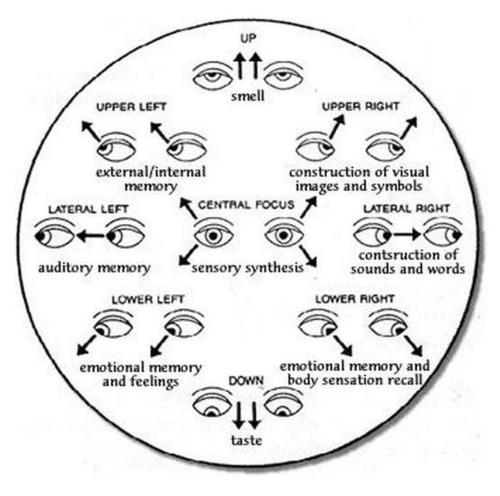
I’ve seen it from multiple sources, and this just adds another (albeit usually unreliable) source.This is actually legit, guys. This is how your eyes move when you’re thinking about something. It’s actually a good way to tell if someone is lying or not, because they’ll look to their left (your right, durr) when they’re constructing false memories, and to their right when they’re actually remembering them.
HOLY CRAP. SAVING THIS FOR FUTURE REF.
If I’m trying to remember a specific word I’ll turn my whole head to the right while I think about it.
NOW I CAN USE SCIENCE TO EXPLAIN WHY I TURN MY HEAD TO THE RIGHT WHILE WRITING.
My students/peers/teachers/&c. have ALWAYS pointed it out to me like it’s the weirdest thing ever HAAAA! SCIENCE!
A short list of several types of poison and their effects.
THERE IS A GOD
!!!
Best thing ever!
This is a really good article about how quickly people actually die from cuts and punctures inflicted by swords and knives. However, it’s really really long and I figured that since I was summarizing for my own benefit I’d share it for anyone else who is writing fiction that involves hacking and slashing your villain(s) to death. If you want the nitty gritty of the hows and whys of this, you can find it at the original source.
…even in the case of mortal wounds, pain may not reach levels of magnitude sufficient to incapacitate a determined swordsman.
Causes of death from stabs and cuts:
- massive bleeding (exsanguination) – most common
- air in the bloodstream (air embolism)
- suffocation (asphyxia)
- air in the chest cavity (pneumothorax)
- infection
Stabbing vs cutting:
- Stabbing someone actually takes very little force if you don’t hit bone or hard cartilage.
- The most important factor in the ease of stabbing is the velocity of the blade at impact with the skin, followed by the sharpness of the blade.
- Stabbing wounds tend to close after the weapon is withdrawn.
- Stabbing wounds to muscles are not typically very damaging. Damage increases with the width of the blade.
- Cutting wounds are typically deepest at the site of initial impact and get shallower as force is transferred from the initial swing to pushing and pressing.
- Cutting wounds have a huge number of factors that dictate how deep they are and how easily they damage someone: skill, radial velocity, mass of the blade, and the size of the initial impact.
- Cutting wounds along the grain of musculature are not typically very damaging but cutting wounds across the grain can incapacitate.
Arteries vs veins:
- Severed veins have almost zero blood pressure and sometimes even negative pressure. They do not spurt but major veins can suck air in causing an air embolism.
- Cutting or puncturing a vein is usually not fatal.
- Severed arteries have high blood pressure. The larger arteries do spurt and can often cause death due to exsanguination.
Body parts as targets:
- Severing a jugular vein in the neck causes an air embolism and will make the victim collapse after one or two gasps for air.
- Severing a carotid artery in the neck cuts off the blood supply to the brain but the victim may be conscious for up to thirty seconds.
- Stabbing or cutting the neck also causes the victim to aspirate blood that causes asphyxiation and death.
- Severing a major abdominal artery or vein would cause immediate collapse, but this takes a fairly heavy blade and a significant amount of effort because they are situated near the spine.
- Abdominal wounds that only impact the organs can cause death but they do not immediately incapacitate.
- Severing an artery in the interior of the upper arm causes exsanguination and death but does not immediately incapacitate.
- Severing an artery in the palm side of the forearm causes exsanguination and death but does not immediately incapacitate.
- Severing the femoral artery at a point just above and behind the knee is the best location. Higher up the leg it is too well protected to easily hit. This disables and will eventually kill the victim but does not immediately incapacitate.
- Cutting across the muscles of the forearm can immediately end the opponent’s ability to hold their weapon.
- Cutting across the palm side of the wrist causes immediate loss of ability to hold a weapon.
- Stab wounds to the arm do not significantly impact the ability to wield a weapon or use it.
- Cuts and stab wounds to the front and back of the legs generally do not do enough muscle damage to cause total loss of use of that leg.
- Bone anywhere in the body can bend or otherwise disfigure a blade.
- The brain can be stabbed fairly easily through the eyes, the temples, and the sinuses.
- Stabs to the brain are more often not incapacitating.
The lungs as targets:
- Slicing into the lung stops that lung from functioning, but the other lung continues to function normally. This also requires either luck to get between the ribs or a great deal of force to penetrate the ribs.
- Stabbing the lung stops that lung from functioning, but the other lung continues to function normally. It is significantly easier to stab between ribs than to slice.
- It is possible to stab the victim from the side and pass through both lungs with an adequate length blade. It is very unlikely that this will happen with a slicing hit.
- “Death caused solely by pneumothorax is generally a slow process, occurring as much as several hours after the wound is inflicted.”
- Lung punctures also typically involve the lung filling with blood, but this is a slow process.
The heart as a target:
I’m just going to quote this paragraph outright with a few omissions and formatting changes for clarity because it’s chock-full of good info:
…[stabbing] wounds to the heart the location, depth of penetration, blade width, and the presence or absence of cutting edges are important factors influencing a wounded duelist’s ability to continue a combat.
- Large cuts that transect the heart may be expected to result in swift incapacitation…
- …stab wounds, similar to those that might be inflicted by a thrust with a sword with a narrow, pointed blade may leave a mortally wounded victim capable of surprisingly athletic endeavors.
Essentially, the heart can temporarily seal itself well enough to keep pressure up for a little while if it’s a simple stab. The arteries around the heart, while they are smaller and harder to hit, actually cause incapacitation much more quickly.
1. Absent: preoccupied
2. Agonized: as if in pain or tormented
3. Alluring: attractive, in the sense of arousing desire
4. Appealing: attractive, in the sense of encouraging goodwill and/or interest
5. Beatific: see blissful
6. Bilious: ill-natured
7. Black: angry or sad, or see hostile
8. Bleak: see grim and hopeless
9. Blinking: surprise, or lack of concern
10. Blissful: showing a state of happiness or divine contentment
11. Blithe: carefree, lighthearted, or heedlessly indifferent
12. Brooding: see anxious and gloomy
13. Bug eyed: frightened or surprised
14. Chagrined: humiliated or disappointed
15. Cheeky: cocky, insolent
16. Cheerless: sad
17. Choleric: hot-tempered, irate
18. Coy: flirtily playful, or evasive
19. Crestfallen: see despondent
20. Darkly: with depressed or malevolent feelings
21. Deadpan: expressionless, to conceal emotion or heighten humor
22. Dejected: see despondent
23. Derisive: see sardonic
24. Despondent: depressed or discouraged
25. Doleful: sad or afflicted
26. Dour: stern or obstinate; see also despondent
27. Downcast: see despondent
28. Dreamy: distracted by daydreaming or fantasizing
29. Ecstatic: delighted or entranced
30. Etched: see fixed
31. Faint: cowardly, weak, or barely perceptible
32. Fixed: concentrated or immobile
33. Furtive: stealthy
34. Gazing: staring intently
35. Glancing: staring briefly as if curious but evasive
36. Glaring: see hostile
37. Glazed: expressionless due to fatigue or confusion
38. Gloomy: see despondent and sullen
39. Glowering: annoyed or angry
40. Glowing: see radiant
41. Grim: see despondent; also, fatalistic or pessimistic
42. Grave: serious, expressing emotion due to loss or sadness
43. Haunted: frightened, worried, or guilty
44. Hopeless: depressed by a lack of encouragement or optimism
45. Hostile: aggressively angry, intimidating, or resistant
46. Hunted: tense as if worried about pursuit
47. Impassive: see deadpan
48. Inscrutable: mysterious, unreadable
49. Jeering: insulting or mocking
50. Languid: lazy or weak
51. Leering: see meaningful; also, sexually suggestive
52. Meaningful: to convey an implicit connotation or shared secret
53. Mild: easygoing
54. Mischievous: annoyingly or maliciously playful
55. Moody: see sullen
56. Pained: affected with discomfort or pain
57. Pallid: see wan
58. Peering: with curiosity or suspicion
59. Peeved: annoyed
60. Petulant: see cheeky and peeved
61. Pitying: sympathetic
62. Pleading: seeking apology or assistance
63. Pouting: see sullen
64. Quizzical: questioning or confused
65. Radiant: bright, happy
66. Roguish: see mischievous
67. Sanguine: bloodthirsty, confident
68. Sardonic: mocking
69. Scornful: contemptuous or mocking
70. Scowling: displeased or threatening
71. Searching: curious or suspicious
72. Set: see fixed
73. Shamefaced: ashamed or bashful
74. Slack-jawed: dumbfounded or surprised
75. Sly: cunning; see also furtive and mischievous
76. Snarling: surly
77. Sneering: see scornful
78. Somber: see grave
79. Sour: unpleasant
80. Stolid: inexpressive
81. Straight-faced: see deadpan
82. Sulky: see sullen
83. Sullen: resentful
84. Taunting: see jeering
85. Taut: high-strung
86. Tense: see taut
87. Tight: see pained and taut
88. Unblinking: see fixed
89. Vacant: blank or stupid looking
90. Veiled: see inscrutable
91. Wan: pale, sickly; see also faint
92. Wary: cautious or cunning
93. Wide eyed: frightened or surprised
94. Wild eyed: excited, frightened, or stressful
95. Wistful: yearning or sadly thoughtful
96. Withering: devastating; see also wrathful
97. Woeful: full of grief or lamentation
98. Wolfish: see leering and mischievous
99. Wrathful: indignant or vengeful
100. Wry: twisted or crooked to express cleverness or a dark or ironic feeling


 Lady Karasu